
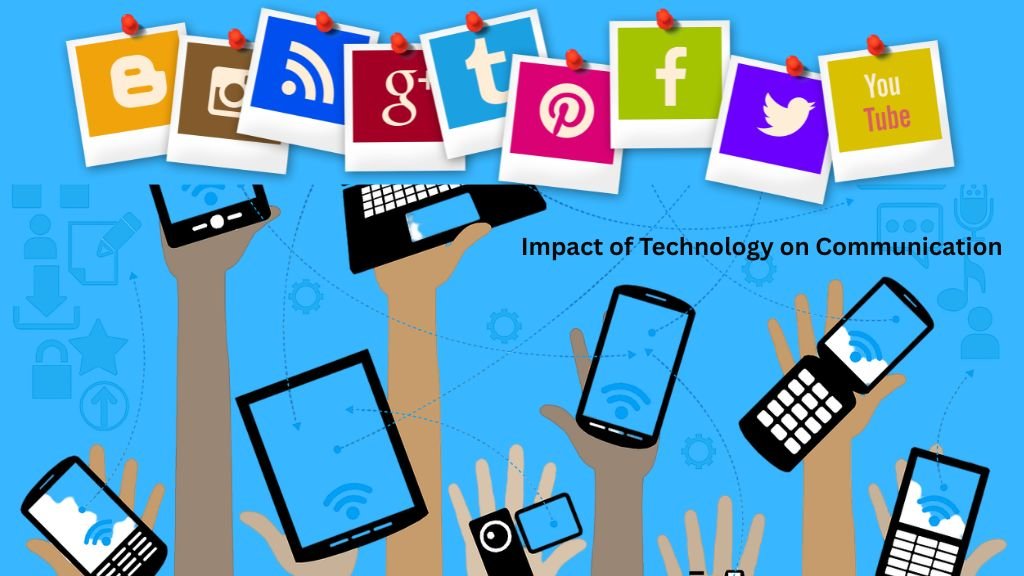
Technology has changed the way people communicate with each other, affecting interactions on a personal, professional, and international level. Instant messaging, video conversations, and handwritten letters have all made communication faster, easier to get to, and more digitised. There are numerous benefits about these changes, but also new challenges that change the way people communicate and interact.
One of the most important ways that technology has changed communication is by making it faster. It used to take days or even weeks to convey a message over great distances. People can talk to each other in real time no matter where they are thanks to email, instant messaging apps, and social media. This immediacy has made both personal and professional communication more efficient. Companies can respond to customers need, and families can stay in touch across countries without any problems.
There is also a significant variation in accessibility. Technology has made it possible for many people to use various communication tools. Smartphones, internet access, and social media websites have made it possible for people from a variety of backgrounds to connect with one another and share their views, opinions, and knowledge. As a result, the world has become more connected, and individuals are now able to effortlessly share information and expertise with one another. For instance, people from different parts of the world can collaborate on projects, participate in online meetings, and communicate with one another with the internet.
Technology has also made it easier to communicate in many ways. You may now talk to people in more ways than just text or voice. You can also send multimedia messages, emoticons, and GIFs. These technologies are better at getting across feelings and expressions than just plain text. Video conferencing services have become very important since they let individuals talk to each other in person even when they are far apart. This has proved especially helpful for schooling and working from home, as online meetings and virtual classrooms are now frequent.
Technology has changed the way people in the business sector talk to each other at work. Email, collaboration software, and project management platforms are just a few examples of tools that have made it easier for team members to work together. Employees may share files, keep track of their progress, and talk to each other right away, which makes them more productive. These technologies have also made it easier for people to work from home or other places without losing touch with their coworkers.
But technology does not always make communication better. One big worry is that people are spending less time talking to each other in person. People may not talk to each other in person as much as they used to because they use digital communication more. This can influence how social skills like empathy, active listening, and non-verbal communication grow. Misunderstandings are also more likely to happen when people talk to each other online, when tone and body language are typically missing.
Another problem is having too much information. People may feel overwhelmed by all the notifications, texts, and updates they get all the time. This can cause stress and shorter attention spans, which makes it hard to focus on important conversations. Also, the need to answer fast can sometimes make communication less considered or less effective.
Concerns about privacy and security are also quite important. People routinely share personal information online since more people are communicating that way. This makes it more likely that data will be stolen, hacked, or used in ways that are not intended. People should be careful about what they disclose and make sure they choose safe ways to talk to each other.
Technology has also helped propagate false information. People can quickly spread information on social media, but not all of it is true. False information can travel quickly, which can cause confusion and misconceptions. This shows how important it is to check facts and teach people how to use technology.
Another significant effect is the alteration of language and the way individuals communicate with one another. When people communicate with one another online, they frequently use abbreviations, emojis, and language that is relaxed and informal. This has the potential to speed up communication and make it more entertaining, but it also has the potential to harm formal writing abilities and language skills, particularly for consumers who are younger.
Even with these problems, technology is still very important for making communication better. It has made it possible for people from all over the world to connect, engage, and learn from each other. It has also offered a voice to people who might not have had the chance to speak up in more traditional ways.
Thanks to technical developments, communication is now more quick, more accessible, and available in a larger variety of forms than ever before. While there are many positive aspects to using this technology, such as greater productivity and worldwide connectedness, there are also many negative aspects, such as less face-to-face communication, privacy concerns, and the dissemination of false information. Smart communication tool utilisation and a good mix of online and in-person encounters are prerequisites for making the most of modern technology. By doing so, people may make sure that technology helps people communicate more effectively, not hinders them.