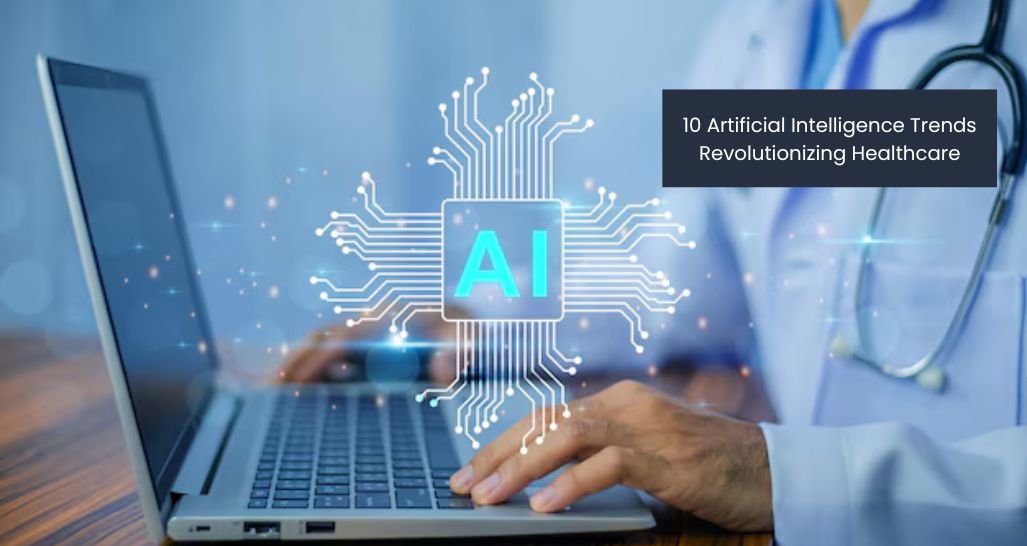
The healthcare business worldwide is changing quickly due to artificial intelligence. AI technologies are helping doctors, hospitals, and researchers enhance patient care while reducing costs and errors. They can find diseases early and create treatment regimens that are unique to each patient. As healthcare systems keep using new technologies, several new trends are affecting the future of medical innovation. The article below discusses the importance of healthcare AI innovations and how smart systems are changing the way treatment is done.
- AI-Powered Disease Diagnosis
One of the most important healthcare AI innovations is to help doctors figure out what diseases people have. Machine learning algorithms can look at X-rays, CT scans, and magnetic resonance imaging (MRI) images and then utilise that information to find problems, including cancer, heart problems, and neurological problems. Patients can obtain better care in less time because these devices let doctors find health problems earlier and more accurately.
- Predictive Analytics for Early Detection
Predictive analytics is becoming a very useful tool for AI in healthcare trends. AI systems can figure out how likely a person is to get sick before they show any signs by looking at their medical history, genetic information, and patient data. Hospitals are employing these technologies to find patients who are at high risk, which helps them get preventive care and lowers the number of people who need to stay in the hospital.
- Personalized Treatment Plans
Doctors are using healthcare AI innovations to make treatment programs that are unique to each patient. AI systems look at genetics, lifestyle, and medical history to suggest the best treatments. This personalised approach makes treatments more likely to work and lowers the risk of negative effects.
- AI-Assisted Drug Discovery
It usually takes years of study and billions of dollars to make new drugs. But medical AI is speeding up the process of finding new drugs by looking at huge biological databases and finding interesting compounds faster than other methods. Pharmaceutical companies are using AI increasingly to speed up the process of generating new treatments and getting them to market faster.
- Virtual Health Assistants
Hospitals and telemedicine platforms are using more AI-powered virtual health assistants. These digital helpers can help patients make appointments, answer simple medical queries, remind them to take their meds, and provide them with health advice. These kinds of changes make patients more involved while making healthcare workers’ jobs easier.
- AI in Medical Imaging
One of the areas where healthcare AI innovations are making the most difference is medical imaging. AI algorithms can find problems in medical photos with amazing precision. Radiologists utilise these technologies to look at images more quickly and find problems that could be hard to see with the naked eye. This technology makes diagnoses more accurate and saves a lot of time.
- Remote Patient Monitoring
Remote patient monitoring is another key topic in AI in healthcare. Wearable gadgets that use AI can keep an eye on important indications like blood pressure, heart rate, and oxygen levels in real time. These systems let doctors know if a patient’s health gets worse, so they can treat them right away without having to go to the hospital.
- AI in Robotic Surgery
With the addition of artificial intelligence, robotic surgery is getting better. AI-powered surgical robots help doctors with difficult surgeries by making them more precise, stable, and easier to see. These systems help make surgery safer for patients, cut down on mistakes, and speed up recovery.
- Automated Administrative Tasks
Healthcare workers generally spend a lot of time doing paperwork, billing, and managing records. Doctors and nurses can now spend more time caring for patients since AI technologies are automating these activities. This not only makes things run more smoothly, but it also helps keep medical professionals from being burnt out.
- AI for Public Health and Disease Monitoring
AI is also very important for keeping an eye on public health and stopping the spread of diseases. AI systems can look at big volumes of data from hospitals, labs, and public health organisations to find patterns and guess how diseases will spread. This enables governments and health care groups to deal with new health hazards swiftly.
Conclusion
AI is changing healthcare for the better by making it easier to diagnose, treat, and manage patients. These AI in healthcare are changing the way doctors work today, from predictive analytics and personalised medication to robotic surgery and remote monitoring.