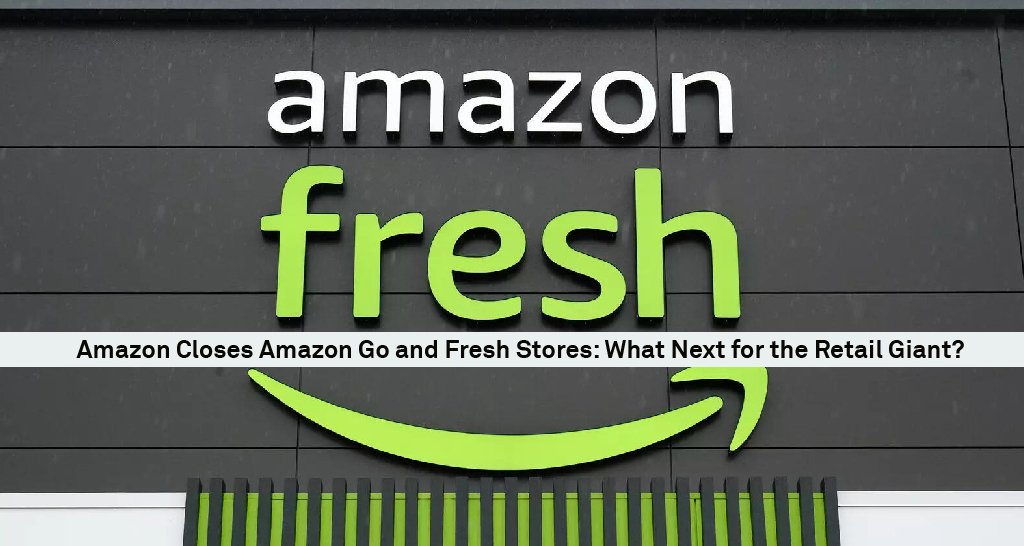
This week, the giant global brand, Amazon, announced that it is going to close all of its Amazon Go and Amazon Fresh locations within a few days. The company is moving towards expanding its same-day grocery delivery and expanding its Whole Foods Market. Under this plan, Amazon is closing all its 72 Amazon-branded grocery stores and opening over 100 new Whole Foods stores in the next few years.
The decision comes as the company is shifting away from its brick-and-mortar retail efforts, which were used to develop and present its cashierless ‘Just Walk Out’ technology. The processes used to track products taken by customers, allowing them to go from the store without going through the established checkout process.
As stated by Amazon, it will be investing in the technology but will offer to third parties, encompassing concession stands at sports stadiums instead of running its own stores.
There have been some positive signs at its Amazon-branded physical grocery stores, but it could not create notable customer experience with an economic model that can actually support the large-scale expansion.
While Amazon once focused on expanding physical stores centered around Just Walk Out Technology, the company is going on the back seat in recent years. In 2018, Amazon planned to open around 3,000 cashier-less stores running the technology over the next few years. But at the beginning of this year, Amazon Go closed just 14 stores.
The expanded and sophisticated array of sensors dimmed those objectives. The company started backtracking on this system that used to allow customers scan items to start carts as they shop.
Amazon is still exploring ways to bring its digital storefront into the physical shopping realm. Even as the company rolls back some of small scale retain plans, it still wants to take some bite from the daily shopping and grocery success.
Amazon will not give up completely on the brick-and-mortar side of its business. Instead, it will embrace the fact that people hold a stronger brand affinity with Whole Foods Market than the Amazon Go Convenience store.
Impact of Closing Amazon Fresh and Amazon Go
A huge number of hourly employees will be losing their jobs after the stores are closed. Although the company has stated that it would do its best to support displaced employees get other jobs within Amazon.
Future Plans
In the coming years, Amazon is planning to open more than 100 Whole Foods locations. Since Whole Foods was purchased by Amazon in 2017, the company claims that sales have increased by more than 40% and the company has expanded to 550 locations.
Additionally, Amazon aspires to expand the number of Whole Foods Market Daily Shops, which are smaller grocery stores that prioritize convenience and grab-and-go meals. These seem to be similar to the concept behind Amazon Go and Amazon Fresh locations, but even though they are owned by the same company, customers are more comfortable getting a salad from Whole Foods than from Amazon Fresh.
Frequently Asked Questions
Is Amazon Fresh ending?
Some Amazon facilities will be transformed into Whole Foods Market stores, while Amazon is closing its Amazon Fresh and Amazon Go stores. The firm believes it hasn’t built a distinctive consumer experience with the correct economic model for large-scale expansion of its physical grocery stores.
Why is Amazon closing all Amazon Fresh stores?
Amazon stated today that it will close its Amazon Fresh and Amazon Go facilities, including about two dozen in California, due to the weak market for its physical stores. Instead, it will focus on expanding its grocery delivery service.
Why is Amazon closing Amazon Go?
To concentrate on its food delivery service, Whole Foods Market, and a new “supersized” shop model, Amazon said that it is closing all of its Amazon Go and Amazon Fresh locations.
Why did Amazon Go stores fail?
High expenses, scalability challenges, privacy concerns, and operational complexities all contributed to the struggles Amazon encountered in making Go a viable business model. However, the concept of cashierless shopping is not dead.