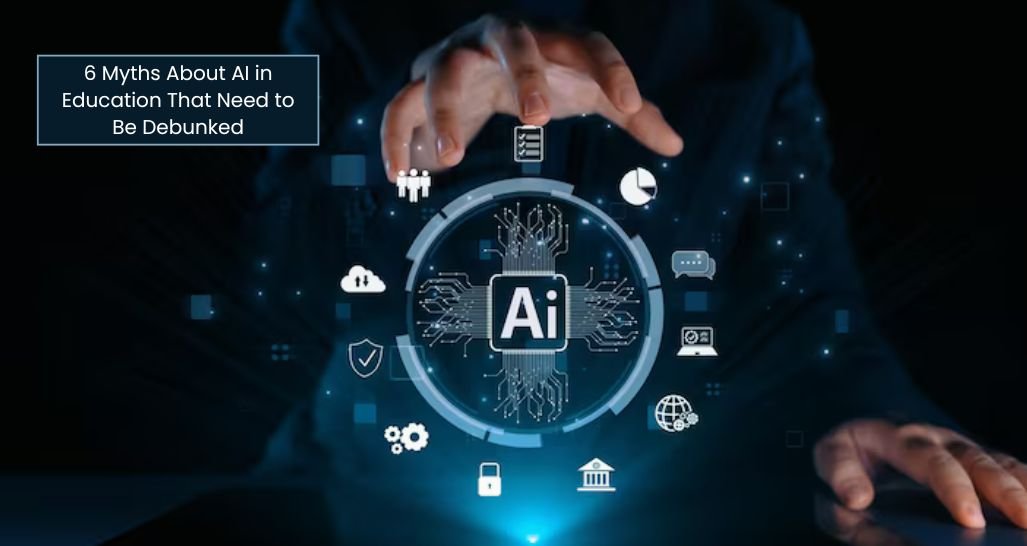
Artificial Intelligence (AI) is quickly changing the landscape of education, bringing in smarter tools and more effective methods for teaching and learning. From tailored study plans to automated grading systems, AI is becoming a key player in today’s classrooms. Yet, even with its increasing role, there are still plenty of misconceptions about how it is used in education. These myths can lead to unnecessary fear and pushback. To truly grasp the positive effects of AI, it is essential to clear up these common misunderstandings.
Myth 1: AI Will Replace Teachers
One of the biggest worries people have been that AI might take over the role of human teachers. Sure, AI can handle some tasks, but it just cannot match the unique human qualities that make teaching truly effective. Teachers offer emotional support, mentorship, and inspiration things that technology simply cannot replicate.
AI should really be viewed as a helpful ally for teachers. It takes care of the routine stuff like grading papers, keeping track of attendance, and looking at how students are doing. This gives educators more time to connect with their students and enhance the overall learning experience. Instead of taking teachers’ jobs, AI boosts their effectiveness.
Myth 2: AI Creates a One-Size-Fits-All Learning System
A lot of folks think that AI makes education more uniform and stricter, but it does just the opposite by fostering personalized learning experiences. AI tools dive into each student’s unique learning habits, strengths, and areas for improvement to craft tailored study plans. This way, students can learn at their own speed, revisit challenging subjects, and advance when they feel ready. This kind of personalization makes education more inclusive and effective for all kinds of learners.
Myth 3: AI Encourages Cheating
There is a growing worry that students might misuse AI tools to cheat on their assignments. While this concern is valid, it does not mean that AI is designed to encourage dishonesty. In fact, AI can help uphold academic integrity. With advanced tools, we can spot plagiarism, track unusual patterns in student submissions, and ensure that assessments are fair. Plus, educators are increasingly moving towards assignments that are more practical and application-based, which demand a real understanding rather than just quick answers. When used responsibly, AI can help cut down on dishonest practices.
Myth 4: AI Is Too Expensive for Most Schools
There is a common misconception that AI technology is only for those with deep pockets. While it is true that AI solutions used to come with a hefty price tag, they have become much more budget-friendly over the years. Nowadays, you can find a variety of AI-powered educational tools that are either low-cost or even free! Thanks to cloud-based platforms and open-source technologies, schools of all sizes can easily jump on the AI bandwagon. As this technology keeps advancing, it is becoming more accessible, enabling even smaller institutions to tap into its potential.
Myth 5: AI Makes Students Lazy
Some people believe that having easy access to AI tools might make students overly reliant on them, which could dampen their ability to think critically. But really, it all comes down to how these AI tools are integrated into the learning experience.
When used the right way, AI can really boost critical thinking skills. It offers quick feedback, suggests ways to improve, and encourages students to think through various solutions. Rather than doing the work for them, AI can help guide students toward a better understanding and a richer learning experience. The trick is to use AI as a helpful tool for learning instead of a quick fix.
Myth 6: AI Is Smarter Than Humans in Every Way
There is a common myth floating around that AI is smarter than human teachers and can completely take over their role. Sure, AI is great at crunching huge amounts of data in no time, but it just does not have that genuine understanding or emotional intelligence that humans do.
AI works by following patterns and algorithms, which means it lacks the human touch of intuition and creativity. It struggles to grasp context, emotions, or the individual needs of each student. In contrast, teachers bring empathy, experience, and the ability to adapt to their classrooms. These human traits are crucial for effective education.
Conclusion
AI is changing the landscape of education, but there is a lot of misunderstanding around it. The myths that pop up about AI can lead to unnecessary anxiety and hinder its acceptance. It is important to realize that AI is not here to replace teachers or traditional learning methods; rather, it’s a powerful ally that can enhance them.
By busting these six myths, AI has the power to make education more personalized, efficient, and accessible. The future of learning is all about the partnership between human intelligence and artificial intelligence. When used wisely, AI can help foster a more engaging and effective learning environment for students all around the globe.