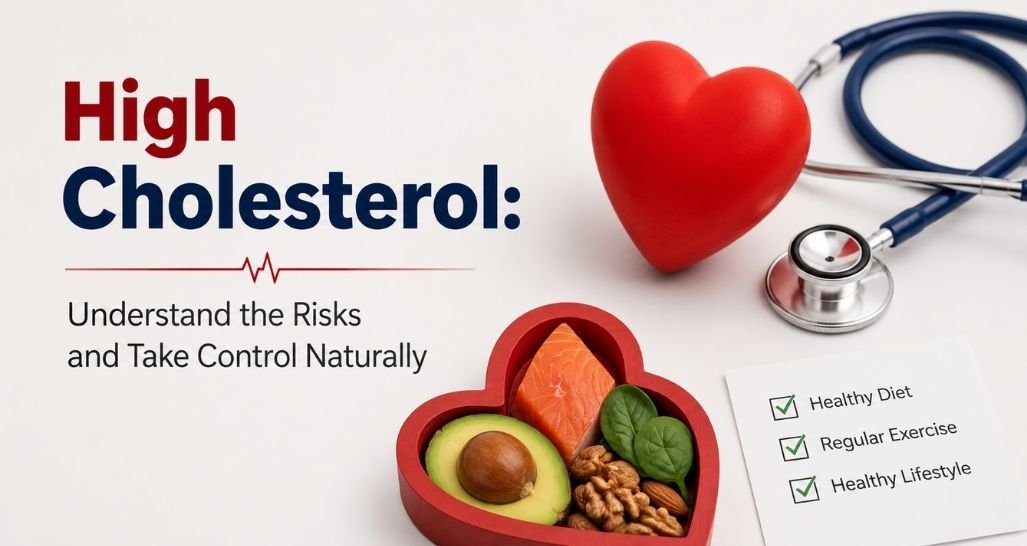
‘High cholesterol’ has emerged as a serious concern these days. It can raise the risk of stroke and heart disease.
The Centers for Disease Control and Prevention (CDC) Trusted Source defines high blood cholesterol as 200 mg/dL or higher. A cholesterol level below 200 mg/dL is considered healthy.
Cholesterol is basically the fat-like material present in the body’s cells. The body gets cholesterol via animal-based meals, including meat, eggs, and dairy products, in addition to producing it in the liver. The consumption of trans and saturated fats has a greater effect on blood cholesterol levels than do these dietary sources.
Cholesterol is necessary for various body processes. Hence, the body has to maintain a specific cholesterol level in order to function correctly, even if it is frequently linked to health hazards.
What Kinds of Cholesterol are there?
Cholesterol is carried by the bloodstream in lipoproteins, which are bundles of proteins. Cholesterol comes in two primary forms:
- LDL, or low-density lipoprotein: LDL cholesterol, sometimes known as bad cholesterol, accumulates on artery walls to create plaques that can constrict and obstruct blood flow. It may cause the risk of heart disease and stroke.
- HDL, or high-density lipoprotein: HDL cholesterol, also referred to as good cholesterol, helps in the removal of LDL cholesterol from the circulation and transports it to the liver for elimination. A lower risk of heart disease is linked to higher HDL levels.
Importance of Cholesterol in Health
The body uses cholesterol for different functions, such as:
The fluidity and stability of cell membranes depend on cholesterol.
Estrogen, testosterone, cortisol, and aldosterone are among the hormones whose production cholesterol supports.
The liver uses cholesterol to make bile acids, which are essential for breaking down dietary lipids.
What are the Causes behind Increased Cholesterol?
High cholesterol can affect anyone. There are numerous possible causes for it. Lifestyle issues that can affect your diet include smoking, consuming too much saturated fat, exercising insufficiently, and being overweight, particularly around the middle.
Some other causes include:
Age: As you age, your cholesterol levels may rise.
Ethnicity: The cholesterol level might be high due to your ethnicity.
Biological sex: Being male means a higher risk for increased cholesterol levels from an early age.
Menopause: Women are likely to have excessive cholesterol both during and after menopause.
Family history: You may be more likely to have high cholesterol if you have a relative who suffered a heart attack or stroke before the age of 60 due to a blocked or restricted blood vessel.
Genetics: Certain causes of high cholesterol are inherited, like increased LDL (a) levels and familial hypercholesterolemia (FH).
Easy Lifestyle Changes to Improve Cholesterol
- Consume heart-healthy foods
Reduce your “bad” cholesterol and make your heart stronger with small changes in your diet:
Reduce your intake of saturated fats. Red meat and full-fat dairy products are the main sources of saturated fats. Your total cholesterol, particularly low-density lipoprotein (LDL), may increase as a result of these fats.
Get rid of trans fats. Certain margarines, packaged cookies, crackers, and cakes frequently contain trans fats, which are dangerous fats.
Consume foods high in omega-3 fatty acids: LDL cholesterol is not reduced by omega-3 fatty acids. However, they also lower blood pressure and provide additional advantages for heart health.
Incorporate whey protein: Whey protein supplements have been shown to help decrease blood pressure, total cholesterol, and LDL cholesterol.
- Do Exercise and Work out
You can easily elevate the “good” cholesterol, high-density lipoprotein (HDL), with regular physical activities. Work up to 30 minutes a day, five days a week, of physical activity, such as brisk walking, with the approval of your healthcare provider. You can think of increasing the intensity of your aerobic exercise to at least 25 minutes three days a week, such as jogging or fast cycling.
- Avoid Smoking
Your “good” cholesterol, or HDL cholesterol, can increase if you stop smoking. Research says that within 20 minutes after stopping smoking, your heart rate and blood pressure recover from the nicotine-induced surge. With a year of quitting smoking, you cut the risk of heart disease by 50%.
- Reduce your weight
Your cholesterol levels might rise with even a little excess weight. Look for methods to make your day more active. Instead of using the elevator, use the steps. Walk more and park farther away.